Elephant numbers soar as rare species decline, wildlife census shows
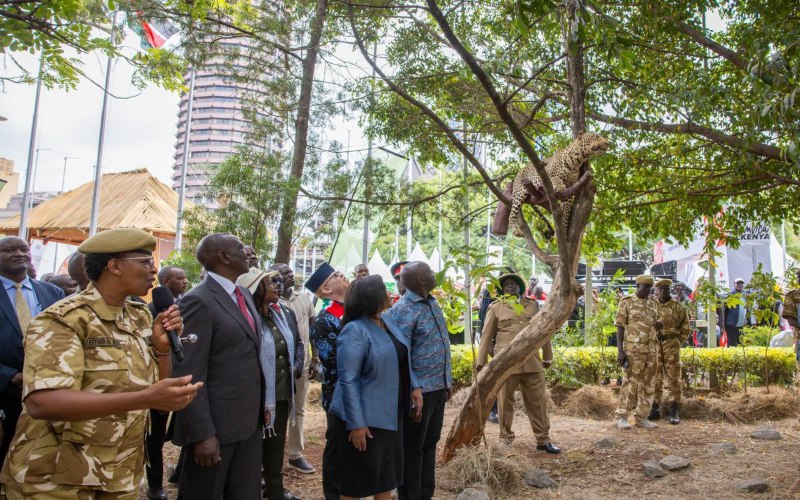
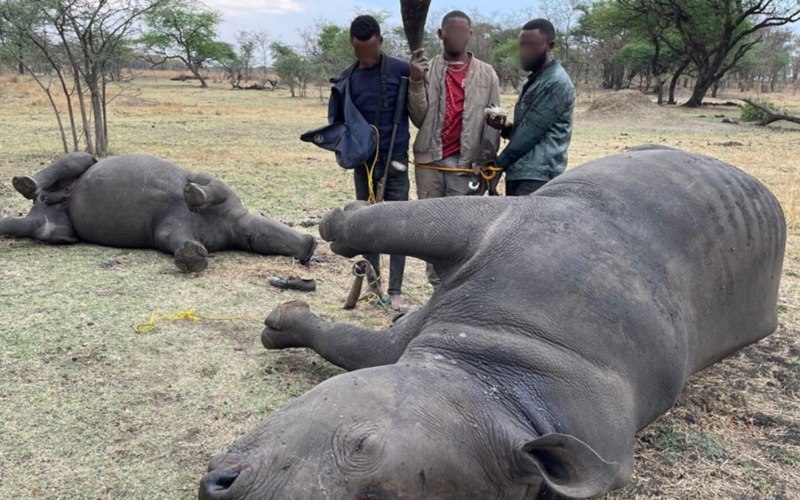
Elephants have increased to 41,952, up from 36,280 in 2021, while black rhinos have grown to 2,102, reflecting a 4 per cent population rise and significant progress in anti-poaching and habitat protection.
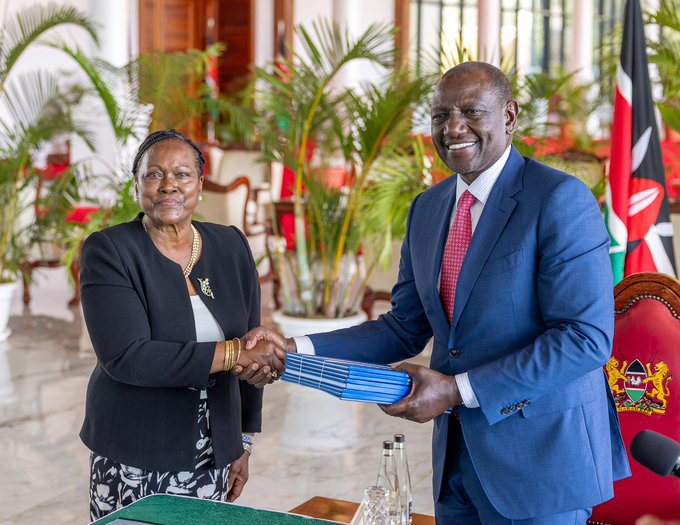
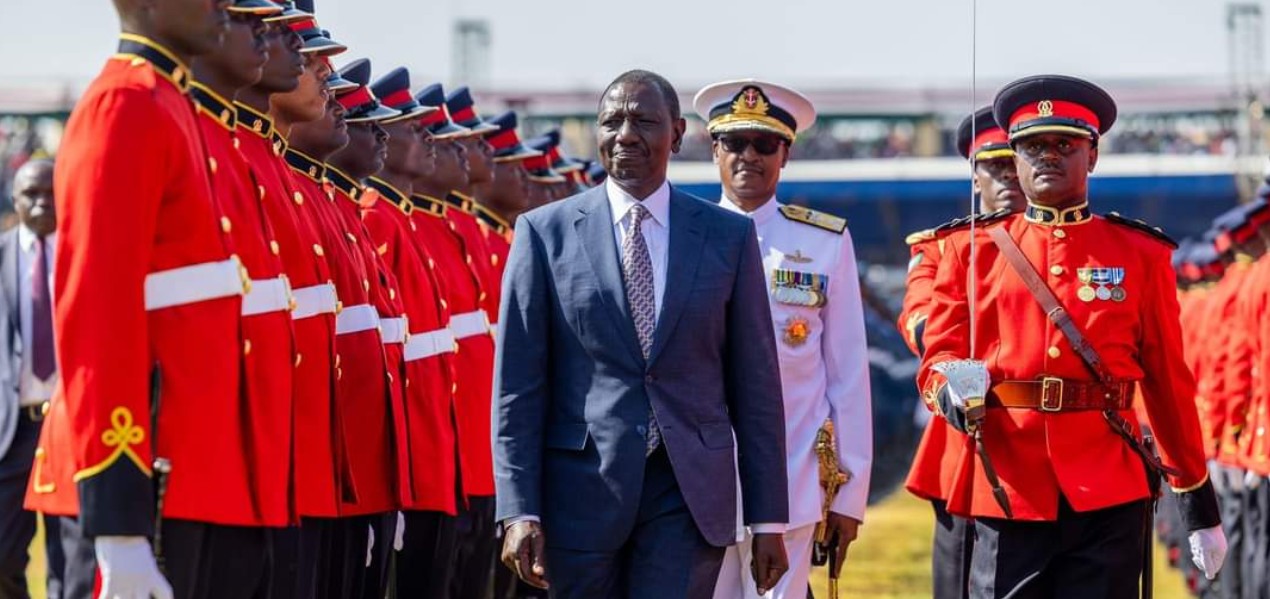
President William Ruto on Thursday released the 2025 National Wildlife Census Report, describing the findings as a “mosaic of wins and urgent conservation emergencies.”
The census, conducted between June 2024 and August 2025, shows remarkable growth in some species but troubling declines in others.
More To Read
- Over 60,000 African penguins died as sardines disappeared from South Africa’s waters, study finds
- Report links 60,000 penguin deaths to sardine decline, poor fisheries management
- Rescue mission launched to save Masai giraffes trapped by fences in Naivasha
- Wildlife compensation claims hit Sh3.5 billion as thousands of Kenyans wait years for payments
- Isiolo County unveils 10-year land use plan to curb insecurity and human–wildlife conflict
- Ganze residents in Kilifi live in fear as elephant attacks escalate
Elephants have increased to 41,952, up from 36,280 in 2021, while black rhinos have grown to 2,102, reflecting a 4 per cent population rise and significant progress in anti-poaching and habitat protection.
Giraffes are also thriving, with their numbers climbing to 43,002 from 35,355. “Some animals have increased, others have reduced," said Wildlife Research and Training Institute CEO Dr Patrick Omondi.
“We have seen a sharp rise in elephants… the rhinos have also increased, black rhino…”
However, the census highlights alarming declines among rare and endangered species. The hirola, Africa’s rarest antelope, has dropped sharply to 245 individuals, sable antelopes now number 40, and the endangered Grevy's zebra stands at 2,465.
Mountain bongo are recorded at 176, while roan antelope numbers have fallen to 21.
Large carnivores remain vulnerable, with populations of 2,512 lions, 605 cheetahs, and 310 wild dogs.
Waterbird populations across 11 key sites have fallen by 80 per cent, and rangeland buffalo numbers dropped by over 8 per cent, from 41,659 to 27,389, though the report notes this may reflect seasonal survey differences rather than a true decline.
“Hirola are only found in Ijara in Wajir… they have really declined…” Dr Omondi added, emphasising the urgency for conservation interventions.
The census, carried out by the Wildlife Research and Training Institute (WRTI) with support from IFAW and other partners, involved 1,518 flight hours of aerial surveys alongside ground counts, camera traps, and marine assessments.
Findings will guide efforts to revitalise 18 dormant national reserves to boost tourism, create jobs, and reduce human-wildlife conflicts.
The report recommends creating wildlife corridors and relocating human settlements near key conservation areas, such as linking Tsavo and Amboseli parks and connecting Nairobi National Park with Athi-Kapiti, to allow free movement of animals.
It also calls for piloting science-guided game farming and sustainable wildlife utilisation in select community conservancies, a move expected to spark debate given past challenges with similar schemes.
Ben Wandago, IFAW Director East Africa, emphasised the importance of broadening conservation efforts.
Other Topics To Read
“The plight of large carnivores, endangered antelopes, and declining waterbirds challenges us to broaden our focus from species to landscapes. Strengthening community engagement is vital because it is the people who host this wildlife,” he said.
With human-wildlife conflicts on the rise, the census also recommends integrating wildlife data into national and county land-use plans and enforcing stronger coexistence mechanisms, such as banning the construction of tourist hotels along buffalo migration routes in the Mara, to ensure both people and wildlife can thrive.
Top Stories Today